Epoxy Questions on Rebuilt University Park Homes
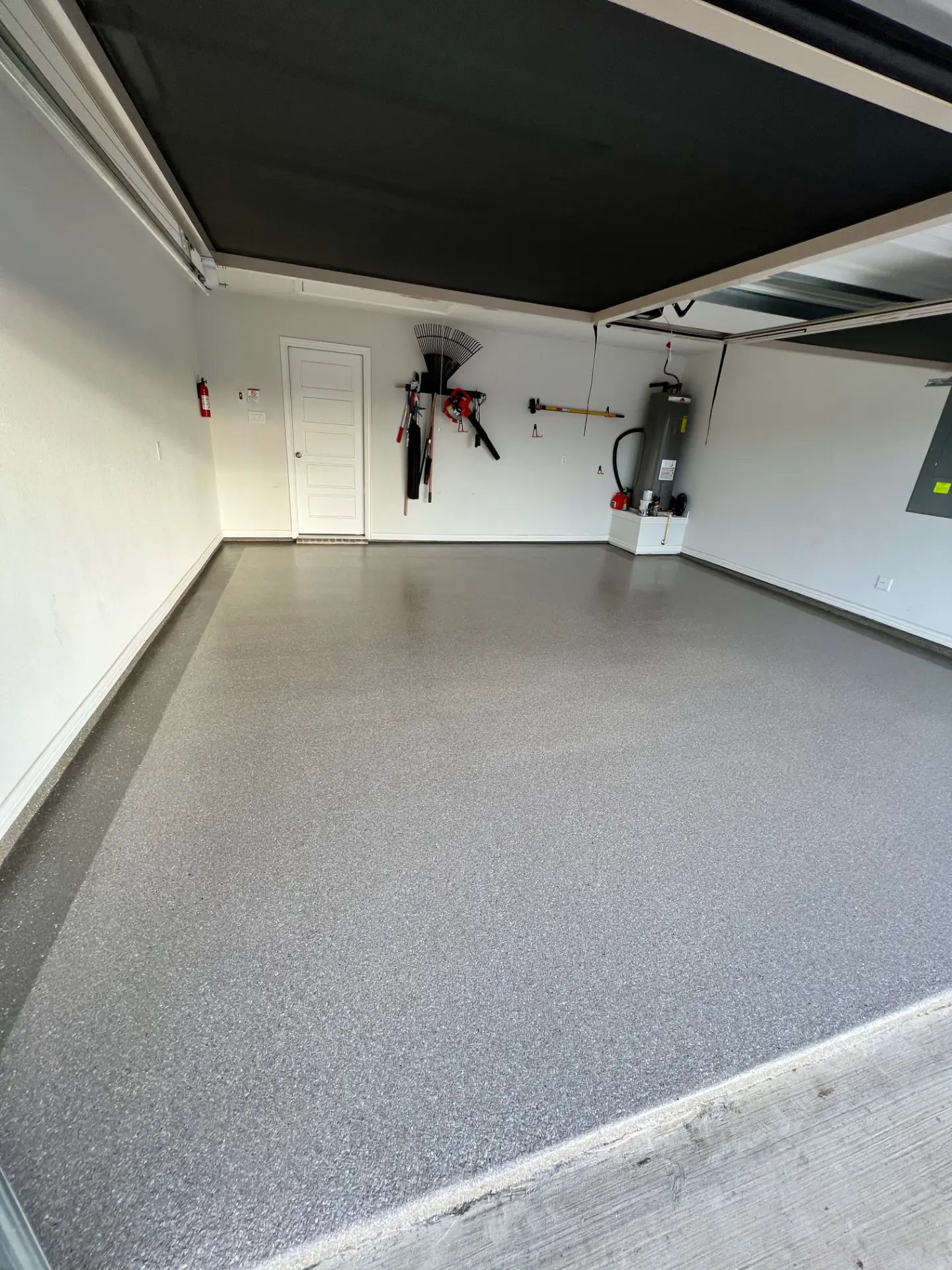
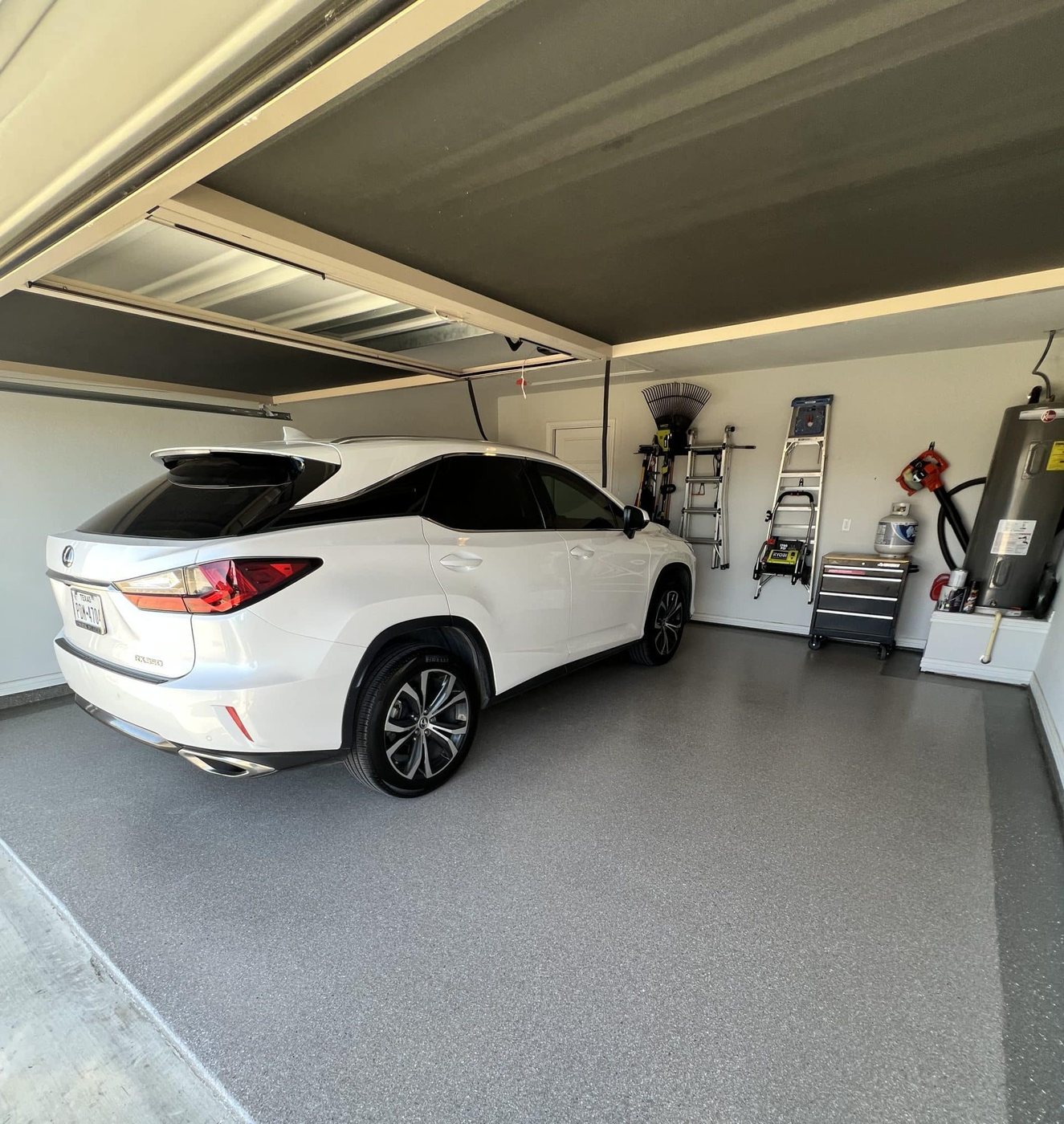
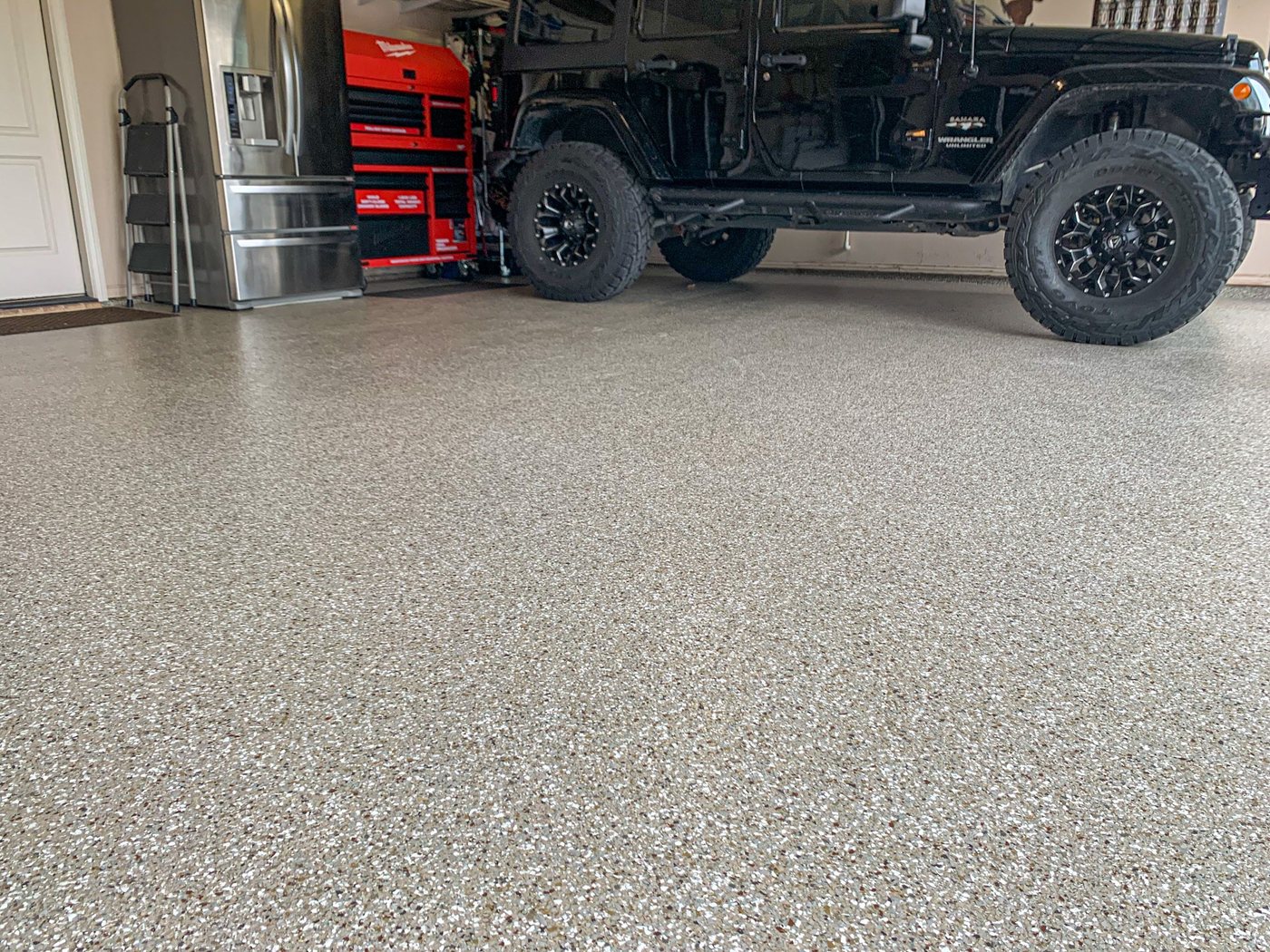
For fifty years University Park has been trading smaller houses for much larger ones. In University Highlands, mid-to-late 1930s cottages keep coming down for houses approaching 5,000 square feet, and each rebuild pours a brand-new garage slab. An owner who searches for epoxy for that floor gets a polyurea flake quote from us, and the first thing Nick asks is the pour date, since a slab that young needs time before anything bonds to it.
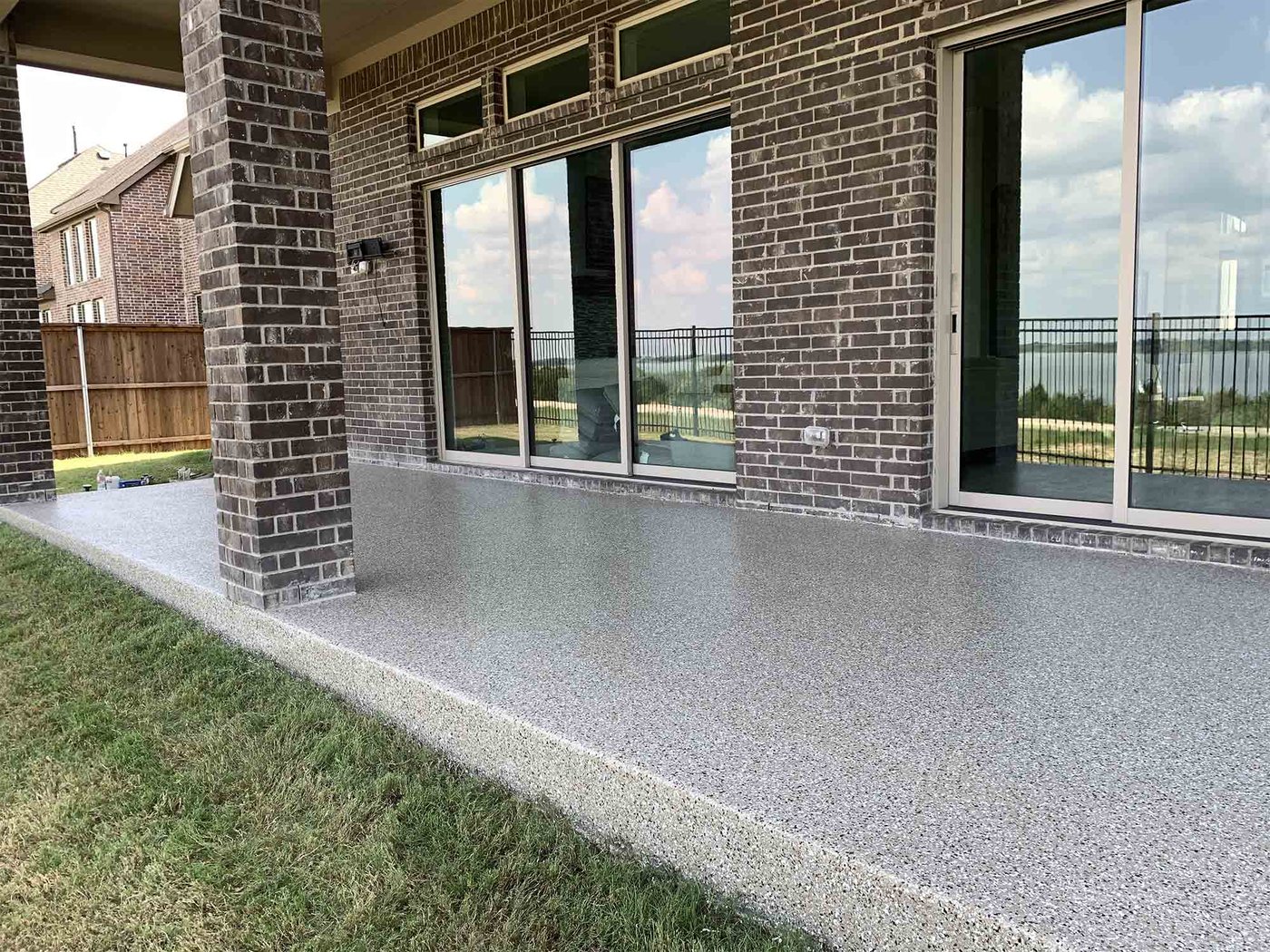
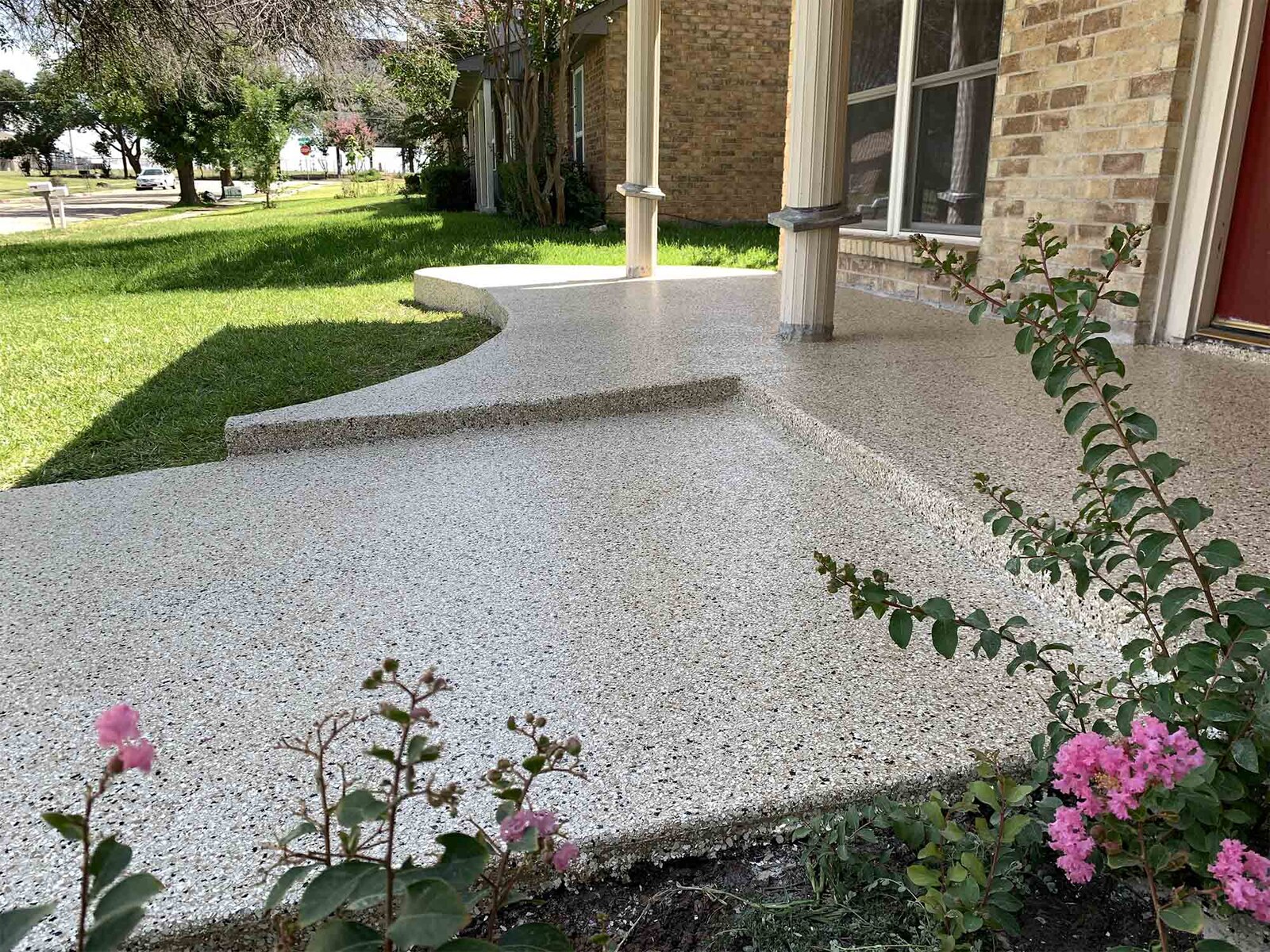
The reason for polyurea is movement rather than looks. Clay across the Blackland Prairie swells when wet and shrinks as it dries, and a new slab over it keeps settling for a while. Nick chose polyurea for houses because, by his estimate, it bends with the slab about four times better than epoxy would, and the clear polyaspartic topcoat holds its color when the garage door stands open.
Commercial floors are scarce here. Snider Plaza, which opened in 1927, holds most of them, and one of its buildings dates to 1947 with retail spaces of about 1,200 square feet. A floor that size can take epoxy, and the University Park commercial page scopes those storefronts.
City Hall on University Blvd is 10.6 to 13.6 miles from the Garland shop, a half-hour run on Skillman St or US-75 in afternoon traffic, which still leaves a one-day garage install most of the working day.